Best Indoor Plants for Air Purification
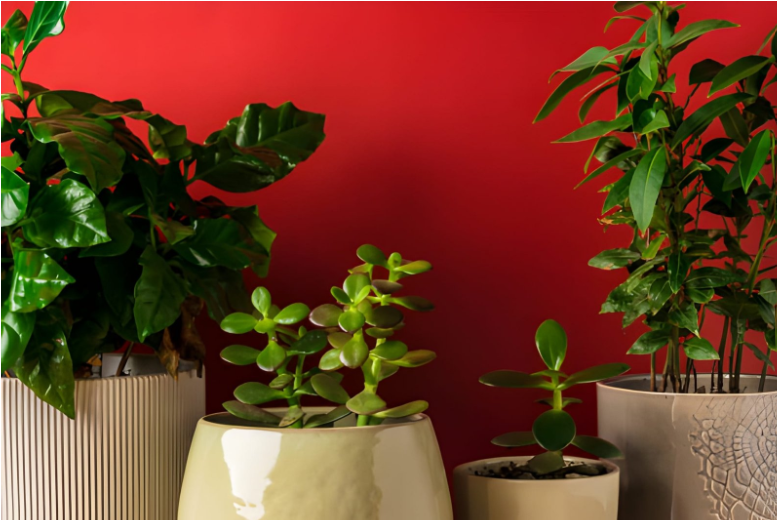
Indoor air quality is an important part of a healthy home. Dust, cleaning products, furniture, carpets, paint, and everyday household items can release pollutants into the air. While proper ventilation and regular cleaning are essential, adding indoor plants can also help create a fresher, more relaxing environment. The best indoor plants for air purification not only improve the look of your home but may also help reduce certain airborne toxins and increase humidity.
In this guide, we’ll explore the top air-purifying houseplants, how they support indoor wellness, and tips for keeping them healthy.
Why Choose Indoor Plants for Air Purification?
Indoor plants are popular because they bring nature inside, add beauty to living spaces, and support a calming atmosphere. Some plants have been studied for their ability to absorb pollutants such as Ga6789 formaldehyde, benzene, xylene, and carbon monoxide through their leaves and roots.
It’s important to note that houseplants should not replace air purifiers, ventilation, or good cleaning habits. However, they can be a helpful natural addition to your home. Plants also release oxygen, improve mood, reduce stress, and make rooms feel more comfortable and inviting.
1. Snake Plant
The snake plant, also known as Sansevieria or mother-in-law’s tongue, is one of the best indoor plants for air purification. It is extremely low-maintenance and can survive in low light, making it ideal for beginners.
Snake plants are known for filtering toxins such as formaldehyde, benzene, and xylene. Another benefit is that they release oxygen at night, making them a popular choice for bedrooms. Their tall, upright leaves also add a modern style to any room.
Care tips: Place your snake plant in indirect light and water only when the soil is dry. Avoid overwatering, as this can cause root rot.
2. Peace Lily
The peace lily is a beautiful indoor plant with dark green leaves and elegant white flowers. It is well-known for its air-purifying qualities and its ability to remove pollutants like ammonia, formaldehyde, and benzene.
Peace lilies are great for living rooms, offices, and bedrooms. They also help increase humidity, which can be beneficial in dry indoor spaces. However, peace lilies are toxic to pets if eaten, so keep them away from cats and dogs.
Care tips: Peace lilies prefer low to medium indirect light. Keep the soil slightly moist but not soggy.
3. Spider Plant
The spider plant is another excellent choice for cleaner indoor air. It has long, arching green and white leaves and produces small baby plants called “spiderettes.” This plant is easy to grow and safe for pets, making it a favorite among families.
Spider plants are known to help reduce formaldehyde and carbon monoxide in the air. They grow well in hanging baskets, shelves, or bright corners.
Care tips: Place your spider plant in bright, indirect light. Water regularly, but allow the soil to dry slightly between waterings.
4. Aloe Vera
Aloe vera is famous for its soothing gel, often used for minor burns and skin irritation. But it is also one of the best indoor plants for air purification. Aloe vera can help remove chemicals such as formaldehyde and benzene, which are commonly found in cleaning products and paints.
This plant is perfect for sunny windowsills and small spaces. Its thick, fleshy leaves store water, so it does not need frequent watering.
Care tips: Aloe vera needs bright light and well-draining soil. Water deeply but infrequently, allowing the soil to dry out completely.
5. Boston Fern
The Boston fern is a lush, leafy plant that adds a soft, natural look to indoor spaces. It is especially useful for improving humidity and helping remove pollutants like formaldehyde and xylene.
Boston ferns are ideal for bathrooms or kitchens where humidity is higher. Their full, feathery fronds look beautiful in hanging baskets or plant stands.
Care tips: Keep Boston ferns in indirect light and maintain moist soil. They enjoy humidity, so misting or using a humidifier can help them thrive.
6. Rubber Plant
The rubber plant is a stylish indoor tree with broad, glossy leaves. It is known for its ability to absorb airborne toxins and improve indoor air quality. Its large leaves make it especially effective at collecting dust, so occasional wiping is helpful.
Rubber plants can grow quite tall indoors, making them a strong decorative feature in living rooms and offices.
Care tips: Rubber plants prefer bright, indirect light. Water when the top inch of soil feels dry. Keep leaves clean to support healthy growth.
7. Golden Pothos
Golden pothos, also called devil’s ivy, is one of the easiest indoor plants to grow. Its trailing vines and heart-shaped leaves make it perfect for shelves, hanging pots, or desks.
Golden pothos is known for filtering pollutants such as formaldehyde, benzene, and carbon monoxide. It can tolerate low light and irregular watering, which makes it great for busy plant owners.
Care tips: Place pothos in low to bright indirect light. Water when the soil feels dry. Trim the vines to encourage fuller growth.
8. Areca Palm
The areca palm is a graceful plant that brings a tropical feel to your home. It is valued for its ability to add moisture to the air and remove certain indoor pollutants. Its soft, feathery fronds make it a beautiful choice for larger rooms.
Areca palms are especially useful in dry homes because they naturally release moisture through transpiration.
Care tips: Provide bright, indirect light and water when the top layer of soil becomes dry. Avoid placing it near cold drafts.
Tips for Using Air-Purifying Plants at Home
To get Đăng ký Ga6789 the most from indoor plants for air purification, choose a variety of plants and place them in different rooms. Keep leaves clean by gently wiping away dust. Healthy plants are more effective than neglected ones, so proper watering, lighting, and soil care are important.
Also, consider plant safety if you have pets or small children. Some air-purifying plants, such as peace lilies and pothos, can be toxic if ingested. Always research a plant before bringing it home.
Final Thoughts
The best indoor plants for air purification combine beauty, low maintenance, and potential air-cleaning benefits. Snake plants, peace lilies, spider plants, aloe vera, Boston ferns, rubber plants, golden pothos, and areca palms are all excellent choices for creating a greener indoor space.
While plants alone cannot completely clean indoor air, they can support a healthier and more peaceful home environment. With the right care, these air-purifying houseplants will brighten your rooms, improve your mood, and help you enjoy fresher indoor living.
Leave a Reply